
Popcorn ceiling removal, done gently
A sprayed ceiling taken back to the smooth surface the room was designed to have.
Get a free estimate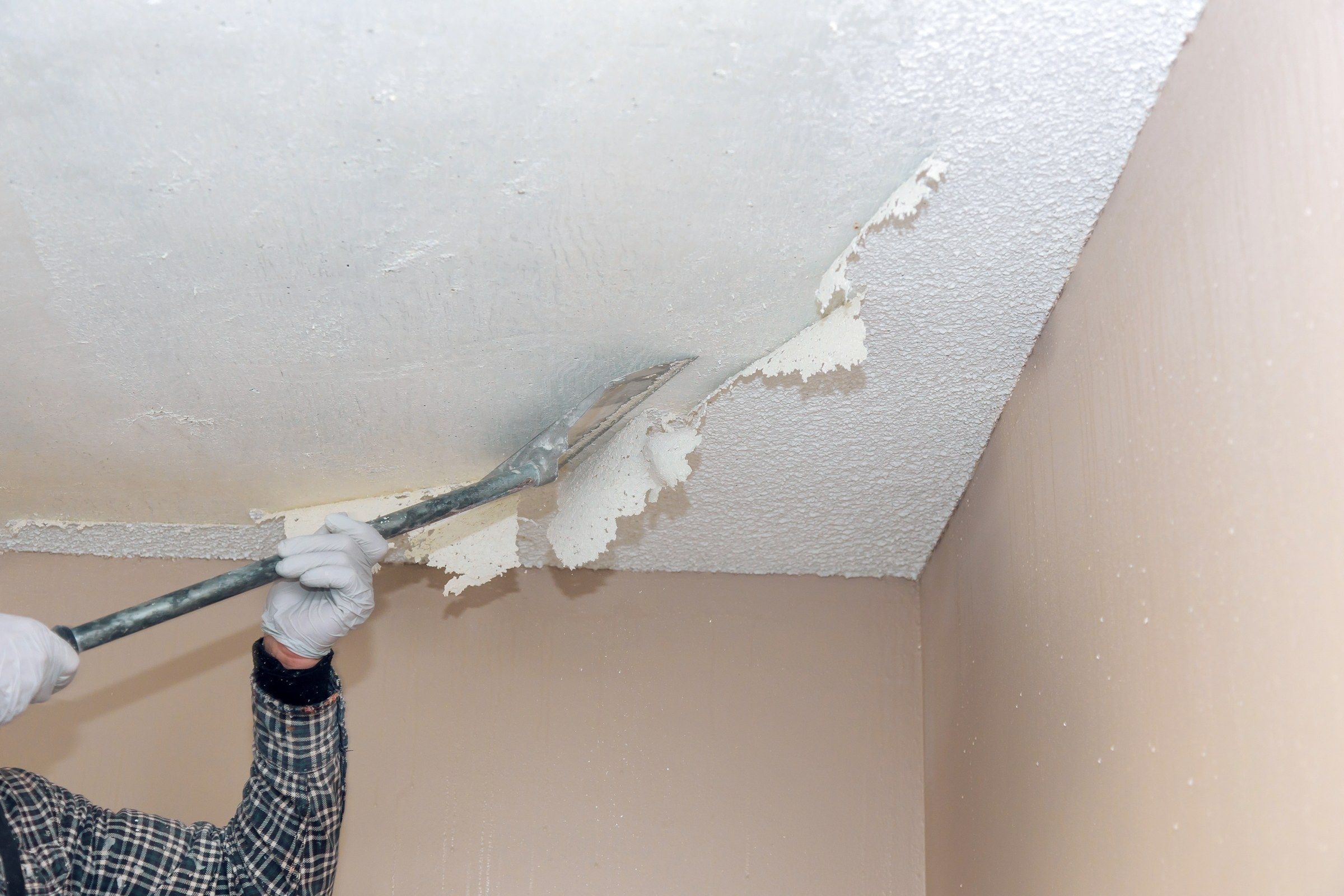
In a house from the 1920s or 30s, a popcorn ceiling is nearly always a later addition. At some point a cracked plaster ceiling was sprayed over, or covered with drywall and then sprayed, because it was quicker than repairing it properly. The texture has been sitting there ever since, at odds with everything else in the room.
Removing it is a restoration as much as a renovation. Done with care, the ceiling becomes what the original builder intended: a plain, level surface that lets the cornice, the windows and the light do the talking.
What the work entails
After testing, the room is enclosed in plastic and the texture is dampened and lifted with broad knives. We work slowly here, because what lies beneath may be drywall paper, which tears, or old plaster, which can be loose.
Then the real work begins. Cracks are opened, taped and filled. Loose plaster is re-secured. The whole ceiling receives two or three skim coats, each trued with a wide blade, until it is flat from wall to wall.
When it is worth doing
- Restoring a period room
- Returning a living or dining room to a finish in keeping with its age.
- Before decorating
- A smooth ceiling is the foundation for everything painted afterward.
- After a stain or repair
- Texture cannot be patched convincingly.
- When the texture is failing
- Flaking and shedding indicate the bond has gone.
In sequence
Testing
A sample is sent to a laboratory for asbestos analysis.
Enclosure
Floors, walls, radiators and woodwork are wrapped.
Removal
The texture is wetted and eased away.
Repair and skim
The substrate is made sound, then coated.
Finishing
Sanded under extraction, inspected with a raking light, and the room unwrapped.
When removal is not advisable
If the texture contains asbestos, we do not scrape it. If the plaster beneath is too fragile, scraping would do more harm than good. In either case there is a dignified alternative: a new layer of thin drywall fastened through to the joists, then finished to a smooth surface. The old material stays sealed and undisturbed.
In rooms with a plaster cornice or picture rail, the new layer is scribed neatly to it, so the detail is kept.
What is gained
A room at ease with itself
The ceiling suits the architecture again.
More and softer light
A level surface reflects evenly.
A clean ceiling
Nothing to harbor dust.
Simple future care
It can be repaired and repainted like any other surface.
On cost, and what moves it
The largest single factor is whether the texture has been painted. Unpainted texture drinks water and comes away from the ceiling in soft sheets. Texture that has been painted, perhaps several times over the decades, is sealed against water and must be coaxed off slowly, or dealt with another way. We test a small area at the estimate, because the answer changes the work a good deal.
The second factor is what lies beneath. Sprayed texture was often chosen because it concealed indifferent taping, or because it hid the cracks in an old plaster ceiling. When it comes down, whatever it was hiding has to be put right. That work is part of the job and is included in what we quote.
Testing before anything else
Sprayed ceiling texture applied before the middle of the 1980s may contain asbestos. There is no way of telling by eye. A laboratory can test a small sample within a few days, and for any ceiling of that age the test should come before the scraper.
If the result is positive, removal becomes work for a licensed abatement contractor. There is also a gentler course: the texture is left undisturbed, and a new ceiling of thin drywall is fastened over it. The room loses a fraction of an inch in height and gains a flat, sound ceiling.
In houses built before 1978 there is also the question of lead in old paint. If a ceiling carries many layers, tell us, and we will arrange the work accordingly.
When the ceiling beneath is plaster
In many Wauwatosa houses the texture was sprayed, some time in the 1960s or 70s, over a plaster ceiling forty years older. This is a different case from texture over drywall. Plaster does not have a paper face to tear, which is in its favor. It may, however, be cracked, patched, or coming loose from its lath, and the texture has been concealing that.
Once the ceiling is bare, we sound it by pressing and tapping. Firm plaster is repaired and skimmed. Where it has let go, it is either reattached or the affected area is replaced. Occasionally the kindest thing for an old ceiling is to cover it entirely with new board, and we will say so if that is our view.
Preparing, and what follows
This is untidy work and the room should be as empty as you can make it. Everything that remains is wrapped. Floors and walls are covered completely, fixtures are taken down or masked, and the heating registers are sealed.
The scraping itself is usually a single day. The skimming that follows takes longer, because each coat must dry before the next. Allow most of a week for a room, and judge the ceiling only after it has been primed, since primer is what reveals whether a surface is truly flat.
What you gain is considerable. A smooth ceiling returns light to a room, and in a house of this age it restores something closer to what the builder intended.
A few particulars
Ceiling fixtures should be considered before the work, not after. If a fan is to be replaced, a chandelier moved, or recessed lights added, have the electrician in first. Each new opening cut into a ceiling we have just finished is a patch in a surface that shows everything.
Doing a whole floor at once is markedly more economical than doing it room by room. The protection, the setting up and the clearing away are a large part of the labor, and they are done only once. If a choice has to be made, begin with the rooms you sit in during the evening and the hall that joins them.
Do not forget the closets. A smooth bedroom ceiling beside a textured closet ceiling looks unfinished every time the door is opened, and closets are small.
Smooth ceilings reveal more than textured ones did. That is the bargain. Flat paint is the forgiving choice, and fixtures that throw light straight along the surface are best avoided unless the ceiling has been taken to the highest finish.
If the house is to be sold, smooth ceilings in the principal rooms are among the changes most visible in photographs. If it is to be kept, they are among the changes most enjoyed. In either case the work is done once and does not need doing again.
A smooth ceiling is also far easier to repair in future. A stain or crack in sprayed texture can never quite be matched. On a flat painted ceiling it can.
Before and after
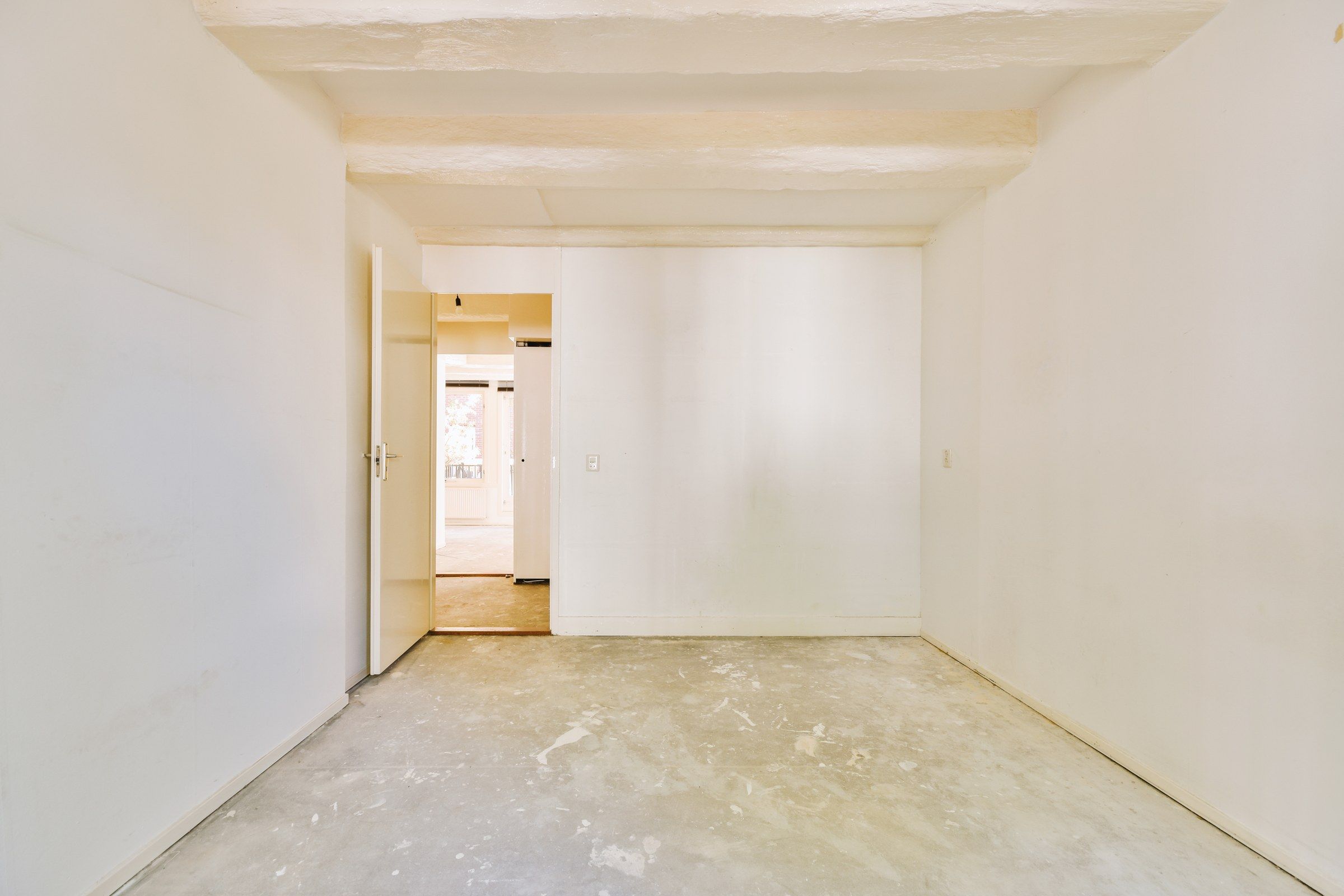
Illustrative stock photographs, not a project of our own.
Sprayed ceilings in Wauwatosa
In the post-war neighborhoods west of Mayfair Road, popcorn was original equipment in many Cape Cods and ranches of the 1950s through the 1970s. East of there it is more often a later covering over plaster.
Both periods fall within the years when asbestos was used in ceiling texture, so a laboratory test is always our first step.
Questions on popcorn ceiling removal
Is it plaster or drywall under my popcorn?
We can usually tell from a small test area and the age of the house. It affects the method and the price, so we establish it before quoting.
Will removal damage my crown molding?
No. Moldings and cornices are masked, and we work up to them by hand.
What if the test finds asbestos?
We will not disturb it. You may have it professionally abated, or we can enclose it beneath new drywall.
How long is a room out of use?
Typically three to five days, depending on the repairs the ceiling needs once exposed.
Is the ceiling painted afterward?
It is left ready for primer. We can advise your painter on the right primer for new skim.
Related
Work often done alongside
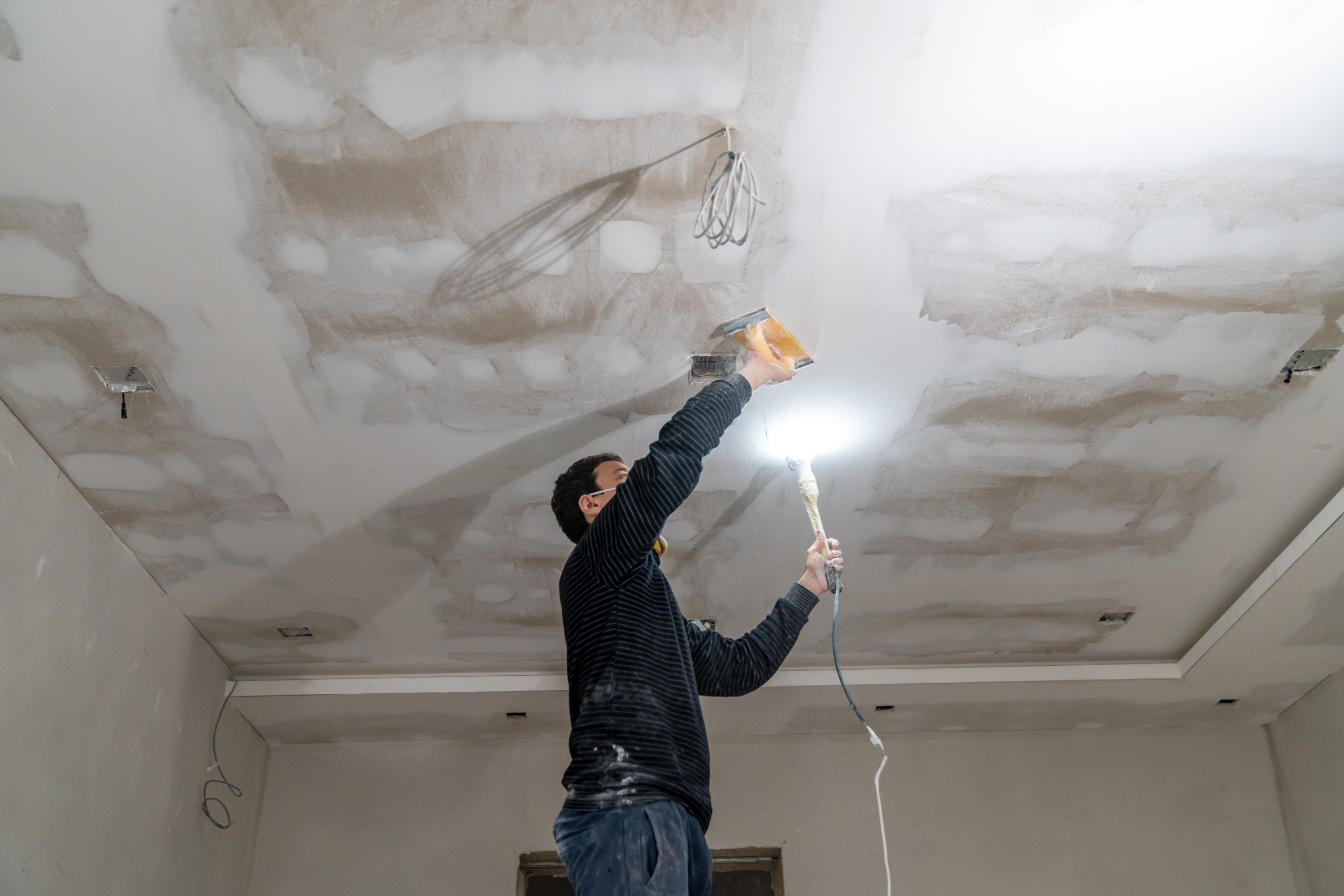
Ceiling Drywall Repair
Cracked, sagging and stained ceilings stabilized and made level.
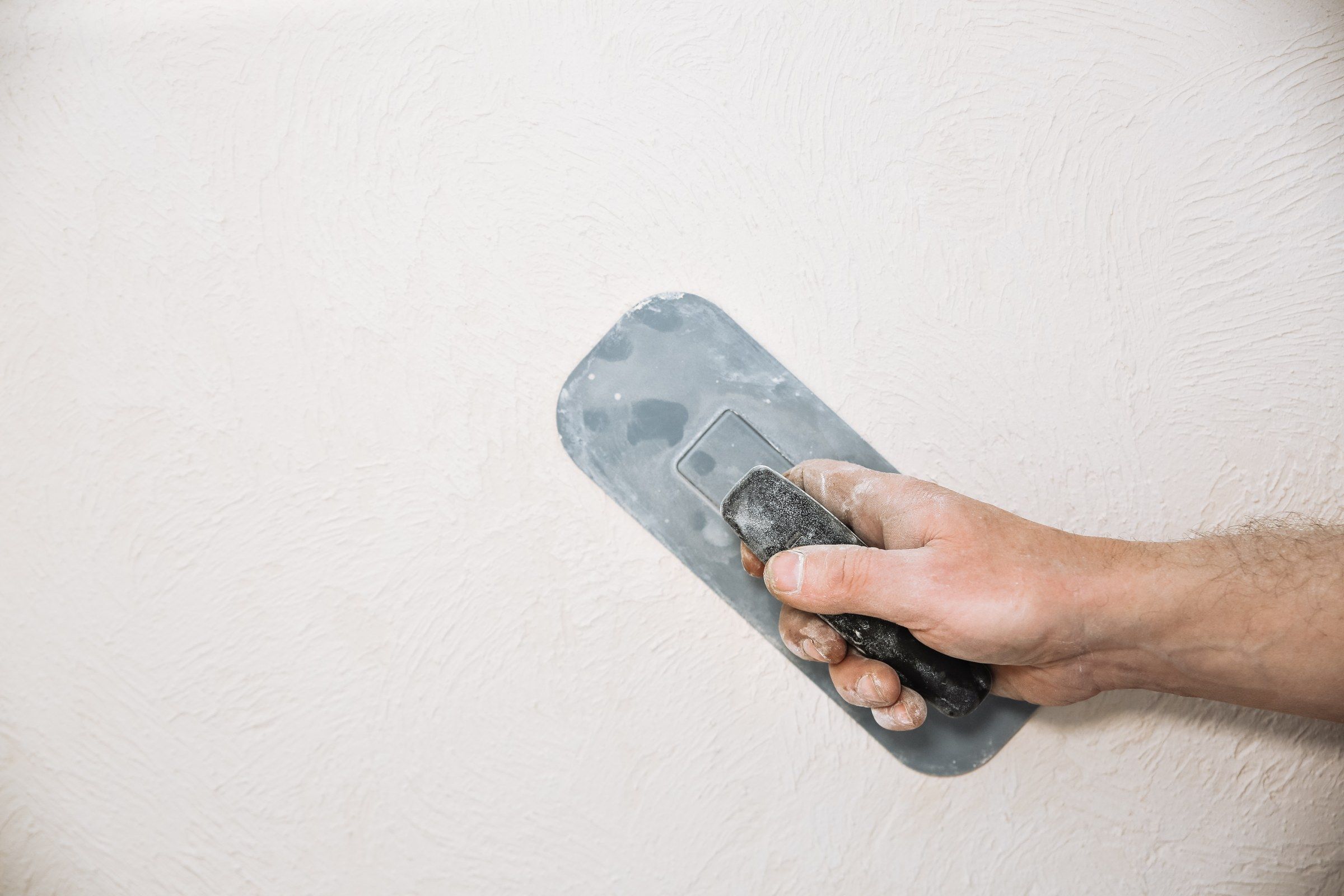
Drywall Finishing
Level 5 surfaces, skim coats and plaster-like finishes for rooms that deserve them.
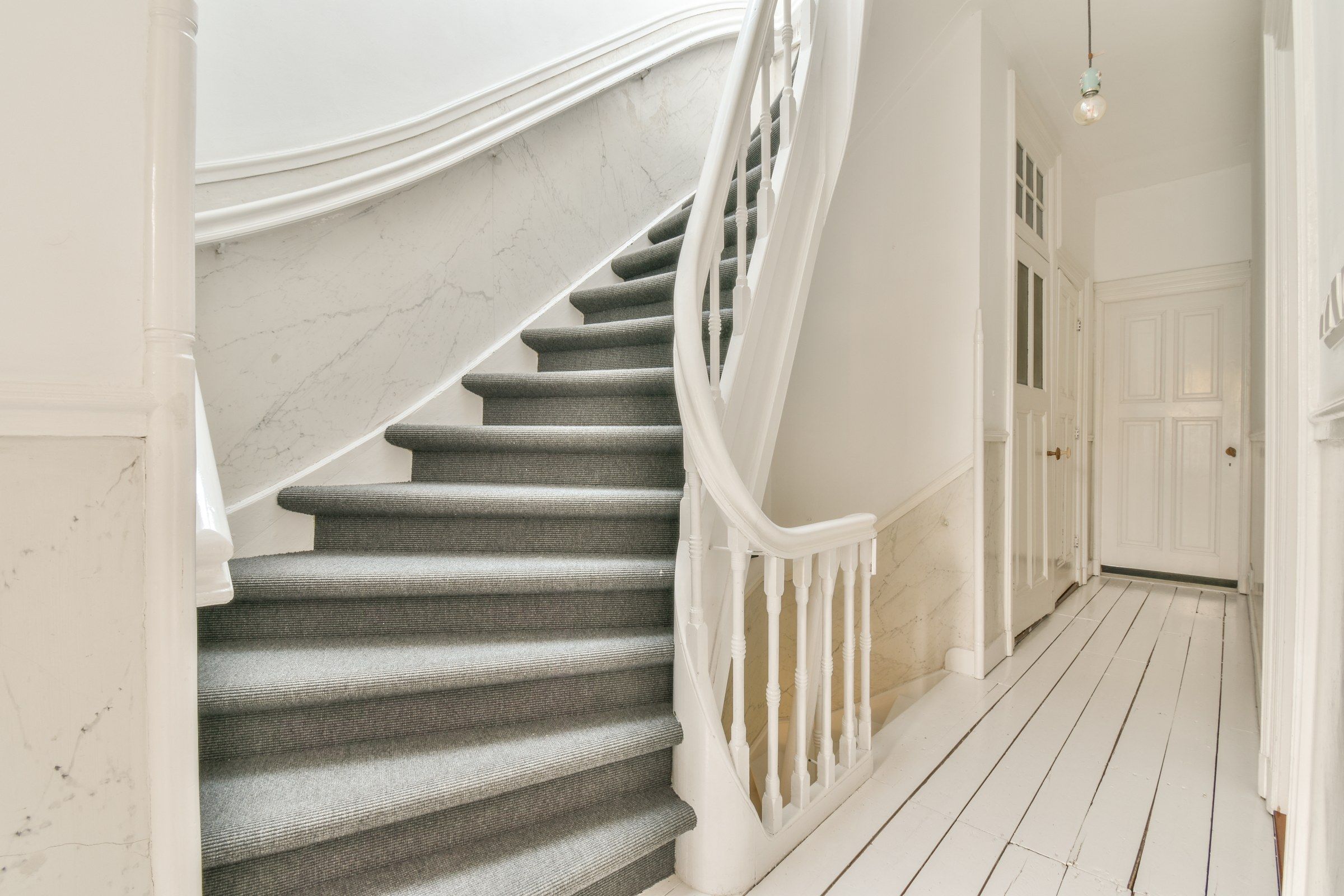
Residential Drywall Services
Drywall and plaster-sympathetic work for the houses of Wauwatosa.
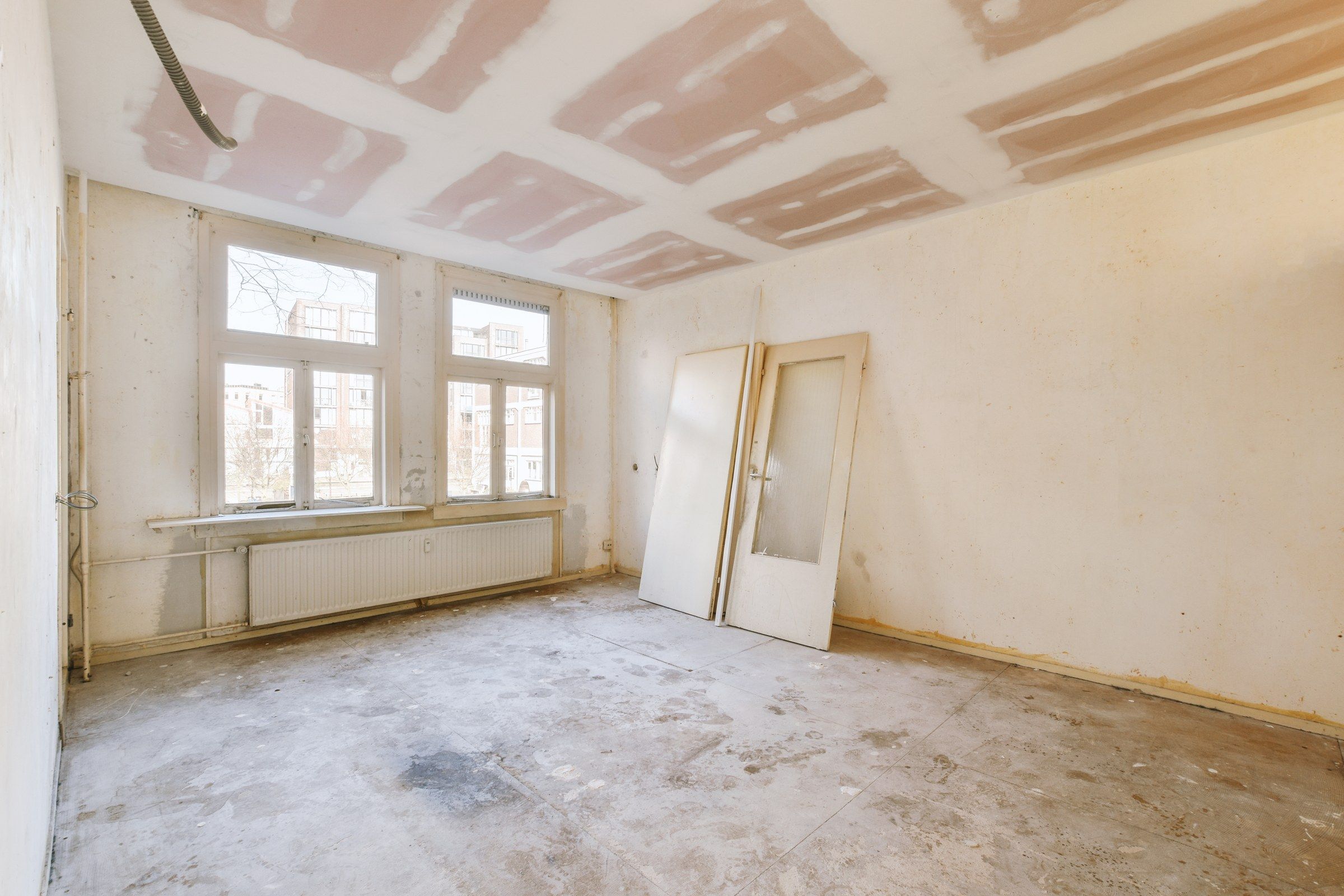
Drywall Repair
Cracks, loose tape, damaged corners and tired surfaces, restored with care.
May we quote for this?
Tell us about your popcorn ceiling removal project in Wauwatosa. A written estimate follows, without charge.
Get a free estimate